
Love letter to a small Japanese grocery store

Gallery

This gallery contains 1 photo.

Breaking news (and my, the online news world moves fast!) I’ve written my first article for Seattlest, a Seattle news/events/restaurants website. I’m going to be writing for the Food section of Seattlest, and I’m thrilled to have this opportunity to … Continue reading

Assignment #4: How I eat (A letter to E)

Dear E,
How do you eat? you asked in an e-mail message last week. How do you establish a form for this part of your life?

I have written versions and drafts of this to you in my head, upon waking in the middle of the night, on the mat at yoga class, during my run along the grassy median in my neighborhood. Places where spring’s starting to poke out of the ground in crocuses, swell the budding tips of branches, blossom in the cherry and plum trees. And I have written it at my laptop, which is usually next to the kitchen.

I have to begin, I think, with our neighborhood grocery store. It’s less than a mile up the road from our house, and it is our version of Cheers: everybody knows our names, or at least our faces. I am somewhat embarrassed to admit that we go there almost every day. We get our double iced Americanos and caramel macchiatos there, our daughters have had birthday serenades and we’ve eaten family cups of gelato there. We’ve made friends there. So it is partly a place where we find community.

Sometimes we do plan our meals for the week, but more often it’s a day or two in advance. Partly because of the store, and because of its proximity, planning what we’re going to have for dinner is one of my everyday pleasures. It is where most of our disposable income goes. We don’t go out to movies very often anymore, we don’t even go to bookstores and music stores very often. But we do allow ourselves the pleasure of our grocery store. And, though we don’t have a year-round farmers market in our city, we do live within five miles of three farmers markets when the season begins. We try to go there even in the rain and cold.

Breakfasts are usually staples on hand. My latest breakfast obsession is peanut butter granola. (Before this it was toast with jam; before that it was peanut butter and jelly toasted sandwiches; before that it was smoothies.). Homemade peanut butter olive oil granola, Greek honey vanilla yogurt, sometimes with a spoonful of homemade rhubarb compote, blackberry jam, or cinnamon-vanilla applesauce. Usually in a glass ramekin, sometimes layered in a jam jar and smuggled in my backpack to school.

Lunches for me are usually leftovers from the day before. Sometimes I will pick up a bagel and cream cheese, or a salad, from one of the campus cafes.

Dinners, it must be said, mostly involve my cravings, and I usually crave some sort of Asian or Italian meal. Sometimes I’ll read about a recipe, and want to make it (parmesan-squash cakes). Sometimes I’ll think about what we have on hand already, and should use up soon (French toast for dinner, or Greek salad because of that stack of pitas in the fridge). Some days I’ll think that we need to have a vegetarian meal (spinach-feta lasagna), because we’ve had a lot of meat lately (kalbi) or that we need something warm because it’s been cold outside (minestrone) or something soothing because one of us has been sick (sinigang). Or something very quick that’s both savory and comforting (adobo).

It’s funny that you mention diet restrictions because we do have them, but I haven’t thought about them in a long time. Josh and C and M are lactose-sensitive, so nothing with cream or cow milk. We try to eat things that taste good to us, and are good for us. We’re not always successful with that balance, but we try to balance it out over a week.

But most of the time, it is about craving. And time: what can I make in a half hour, an hour, sometimes two hours, that will fit my mood and the contents of our refrigerator and the constraints of bathtime for our little girls and our workload for the evening?

I’ve been thinking about your questions, for other reasons, as well. Like you, I have experienced a difficult event recently, though I hope you understand that I am not trying to equate them. I have thought about why you would ask your questions: how do you eat? what enables you to eat? What kind of control do you exert over this part of your life, and why? And I think you might be asking, at some level, how do you find the appetite? In the churning wake of trauma, how do we reach for the hunger that is, by definition, an urge towards life?

And I can tell you about weeks when I ate purely for fuel: a handful of almonds behind my closed office door, a circle of leftover crust from the girls’ morning toast, a few pieces of cold pasta at dinner. I know that I am lucky that I had eating options. But most of my energy went towards getting out of bed, walking down certain hallways, stubbornly clutching the cool mask of a normality that I hope I never have to forge again. How the hell to reach for anything else?

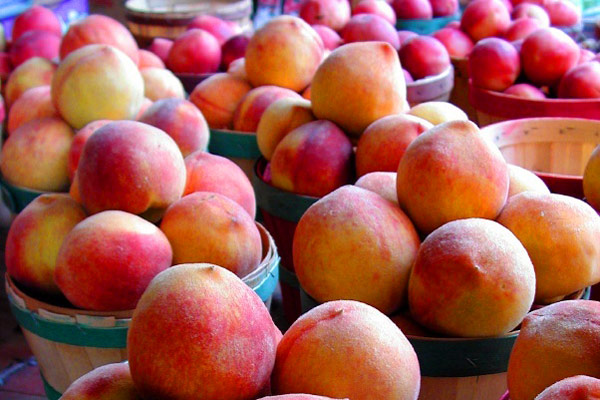
Miraculously, appetite returned: at first as tentative as the signs of spring, then inexorable as the tide, luminous as the full moon, seductive as the inside of a peach. If we ever get to spend more time together, I hope I can tell you how. Maybe I’ll have figured it out by then.

See, my mind keeps circling back to your very first question. You asked how I eat. I’ve talked about how I prepare to eat, and what I eat. All of that pales compared to the family that shares my table nearly every night. With them, I eat gratefully.

And I think you know something about this.  Where and how and why I eat are actually the same…with love, with love, with love.

Hugs, Tamiko

Readers: how do you eat? (See my previous post for more of E’s questions to get you going.) E and I would love to hear from you.

Assignment #4: How do you eat?

My friend E wrote me this message last week, and with her permission, I’m going to reply here in a later post. But I wanted to post the questions first, in case you all wanted to play along.

How do you eat? More specifically, do you plan menus? Do you cook most of your meals or eat out? Do you eat according to what you want at any given moment or use some other system to guide you (dieting, health concerns, the fact that the people you eat with love fried chicken, whatever)? If you primarily cook at home, how do you plan those meals? How far in advance do you plan/shop/prep? In other words, how do you establish a form for this part of your life?

Playing the soup card: sinigang

Say it with me, first: sinigang: see-nee-gahng. Still with me? All right. Let’s cook.

Out of the three Filipino dishes I make regularly at home, this dish is my true comfort food. It’s what I make when I am sick, when I have a cold. Or when someone in my house has a cold (hi, Josh!). I remember drinking it in mugs, just the broth, when I was little. I made it tonight because I’m sick, and I needed some warm food. I’m still reeling from last week’s news. And though our daytime temperatures are up in the fifties, it’s not quite warm enough yet where we can say spring is finally here.

How to describe it? Oh, boy. My version is a lemony, tomato-based, onion/garlicky beef stew with a lot of greens. What’s in it? You remember how I was saying that recipes for adobo vary? Well, the recipes vary even more for sinigang. As far as I can tell, here are its basic elements:
• Sour broth (usually, flavored with tamarind or calamansi or sinigang bouillon cubes/mix)
• Vegetables (usually, at least, a water spinach called kangkung, and green beans)
• Tomatoes
• Onions
• Meat (usually, fish, or pork, but sometimes beef and chicken)
I remember my grandma’s version with clear broth, and  some kind of white fish. My mom’s version was pretty different, so even in one generation, the dish adapted itself to ingredients more readily available in American supermarkets. My mom’s version used lemon juice rather than tamarind for the sour flavor, and she used garlic powder instead of fresh garlic, and she added spinach instead of kangkung (water spinach).

As with so many Filipino dishes, the taste will vary according to the region of the Philippines, as well as individual household preferences and availability of ingredients. To be honest, it varies so widely that I’d be scared to order this dish in a Filipino restaurant because a restaurant version would probably be pretty far from this version. I’ve never tried a mix or powder for the same reason. I’d be hoping against hope for familiarity and comfort, picky eater that I still am.

For years I’ve been playing with the recipe that my mom used, and I think I’ve finally got a version that I can post here. It’s highly adaptable (much like Filipinos themselves), and while some folks may quibble about cultural authenticity, I do love the flexibility. Recently, I asked some of my Pinoy/Pinay friends about a recipe substitution: “Think I’ll get my half-Pinay card revoked for using collard greens in my sinigang? Or will I get bonus points for fusion cuisine?”

And in generous, freespirited, life-loving Pinoy style, here’s what my friends answered:
“J: Filipinos are eminently practical. Use whatever you have on hand, sister!”

“K: Filipinos are known as the great assimilators. Kudos for the fusion!!! I’ll be right over. ;)

“A: i don’t think you can get your pinay card revoked. it’s the kind of card that’s irrevocable. the sinigang sounds yummmmm”

And it is. Chicken soup for you, maybe, but sinigang for me, please.

The recipe: Beef sinigang

Notes
The number of variations and substitutions here is going to drive a precise home cook crazy. If that’s you, sorry. If you are a cook-by-instinct-and-palate cook, feel free to play a bit.

I am somewhere in between these two extremes of home cooking: I like to read a recipe, and then follow it until I reach an ingredient that I don’t like. Then I substitute or add different elements that sound appealing to me. I usually follow the methods more closely than the ingredients. You should feel free to do the same. If you want something close to what I described above (lemony, tomatoey, garlicky/oniony), you won’t want to substitute or delete any of those ingredients, and you won’t add vinegar to make the soup sour.

If you want to make a vegetarian version, I have heard from one friend that it works, but I haven’t tried it myself. I think that a lot of flavor comes from the meat, though, so if you do not use meat, then you might consider using vegetable broth. Let me know how it turns out?

Ingredients
• About 1 tablespoon of olive oil
• 1-2 medium onions, roughly chopped into 1/2” pieces
• About 3-4 medium garlic cloves, minced
• About 2 tablespoons of kosher salt (or, salt to taste)
• 1 small can of tomato paste (if you use a no-salt-added paste, add more salt to soup)
• About 2 pounds of stew beef OR top round roast, cut into 1” cubes
• About 3 bunches of greens, chopped up into 1″ pieces. You can use a combination of winter (chard/collards) greens and spring greens (spinach). My mom used spinach. If you use spinach, cut the stems into bite-size pieces. Because they are tender, I prefer spinach and Swiss chard, or a combination. I used Swiss chard because it’s a darker leafy green and therefore more nutritious. You can also, as you saw above, use collard greens, though. Just be sure to cook all greens until they are tender.
• About 2 cups of water to start (then add about 1-1 ½ more later)
• About ¼ cup fresh lemon juice OR calamansi juice or (in a pinch) bottled lemon juice
(Tonight I used Meyer lemon juice and some frozen calamansi juice. It was just right. Meyers and calamansi are sweeter versions of supermarket lemons, though, so if your fresh lemon is quite bitter, you might add just a teaspoon of sugar to correct the bitterness. You want it tangy and sour, but not unattractively bitter. Dare I say, sassy, but not bitchy? And if you use bottled lemon juice, you might need to add a bit more, because it is usually milder than fresh lemon juice.)

Method
1. Over medium-high heat, sauté the onions in the olive oil until nearly translucent. Then add the minced garlic and sauté for about a minute. Do not let the onions or garlic burn.
2. Add the tomato paste and salt to the onion-garlic mixture and mix well. Then add the water. Let all of this come to a simmer.
3. At simmering point, add the beef and then more water to cover. Then cover the pot and let the soup simmer for at least an hour to an hour and a half over medium-low heat. Do not boil the soup at high heat, or for a long time, because the beef will become tough and chewy. Use low, moderately slow heat.
4. Next, add the chopped greens. Three bunches looks like a lot, but they will wilt and cook down quite a bit. Simmer the beef and greens for about half an hour more: longer if you are using greens with tougher stems (chard, collards) and less if you are using more delicate greens (spinach).
5. When the greens have cooked down, and the stems are tender, add the lemon juice and stir. Taste and add more water or salt or lemon juice if necessary. Simmer until the beef is fork-tender.

Serving suggestion
We eat it, as we often do, in a cozy earthenware soup bowl, over a mixture of cooked white rice/quinoa. If you are sick, and don’t quite feel like eating, you can ladle the soup straight into a mug and let the lemony broth soothe your throat.

Panzanella to celebrate summer

“Fahmis makit!” cried toddler M when we pulled up to the Saturday farmers market.

I am thrilled that she recognizes it. Our long-delayed, dearly-missed summer weather finally arrived in late July or so, and the Tacoma farmers markets have been overflowing with berries, peaches, zucchini, eggplant, green beans, corn. C loves the chocolate croissants from Grand Central’s stand on Thursdays. I love the apple baked empanadas on Saturdays. I’ve made a lot of blackberry jam because I realized that it’s hardest to find that flavor in stores. We’ve visited the farmers markets at least once or twice a week, for the last month and a half.

Here’s a recipe for my version of panzanella, my favorite way to celebrate summer salad.  I’ve come to love panzanella because it’s one of the best ways to celebrate summer tomatoes. (And I’ve come to love it for the rarity: it’s just not worthwhile to make it when tomatoes are out of season.) This salad is meant to be a dinner salad, one that you can assemble in the salad bowl, toss, and then portion into two large sturdy bowls.

We may have had our last panzanella of the summer tonight. A new year of teaching has started for me; C is starting kindergarten on Thursday; it’s supposed to rain about an inch tomorrow in the Seattle area. Summer, we hardly knew you.

Recipe

This is probably not the most authentic recipe for panzanella (which is really supposed to be more of a bread salad than a bread-with-greens salad). It’s more of a deconstructed sandwich, maybe a caprese-style sandwich? But I make it almost every week during summer. You just have to eat fresh tomatoes in season.

Ingredients

  • About 4-5 slices day-old crusty white bread (sourdough, levain, etc. have worked). This is a great way to use up the ends of artisan bread loaves.
  • Olive oil (for brushing onto the bread slices)
  • A garlic clove, cut in half and pierced with a fork (to rub onto the bread slices)
  • 1-2 stems’ worth of fresh basil leaves (pinch off the hearty stems, then roll the larger leaves and cut into slivers)
  • A large handful of washed and dried spring salad greens (spring is fine, arugula is peppery)
  • About half a pint of ripe tomatoes, preferably cherry or heirloom, cut into bite-size pieces
  • About 1/3 cup fresh mozzarella pieces (if using ovolini, halve or quarter; perlini are bite-size). Low-moisture skim mozzarella, the kind that most people buy for lasagna,  will not taste as good in this case.
  • Fresh Parmesan cheese, shaved, to taste.
  • Dressing: about 1-2 T each of balsamic vinegar, olive oil, and about 1-3 tsp. of brown sugar
  • Fresh cracked black pepper to taste

Method

  1. Make the garlic croutons. Brush the bread slices with olive oil, then rub them with that garlic clove pierced with a fork. (I use a fork so I won’t have to get too much garlic on my hands. You can leave out the fork and just rub the garlic on with your hands, if you want.)Put the slices into the toaster oven or very quickly under the broiler. Take the bread out before the slices turn golden brown, and cut them into bite-size pieces.
  2. Add the greens to the salad bowl. While the bread is toasting, cut the basil leaves into slivers. Add greens and basil.
  3. Throw in the cut tomatoes. Ideally, you want the tomato juices to mix with the croutons and coat the croutons, making them just a teeny bit soggy.
  4. Throw in the fresh mozzarella pieces.
  5. Shave the Parmesan over the salad, using a vegetable peeler. I really think that here is a place to be generous. Real Parmesan is expensive, but it adds so much flavor here. And it’s fun to use your fingers to chase that last fleck of Parmesan in the salad bowl.
  6. Using a fork, whisk together the dressing of olive oil, balsamic, sugar, and (optional) pepper. Add a bit of dressing to the greens, mix, and taste. Then add more dressing to the salad as needed.

Fried rice (“Cooking became more fun when…”)

I wanted to find a nice image for you here, but fried rice isn’t the most photogenic dish. Restaurants can garnish fried rice with basil or cucumbers or even flower-cut carrots, but really, garnishes aren’t the point with fried rice. Which is part of my point here.

When Shauna asked us to fill in the title sentence on Twitter, I first thought of this: “Cooking became more fun when I realized that recipes (for cooking, not baking) were suggestions.” I think that’s still true of my cooking now. I’ll substitute carrots for red peppers, delete the fennel, revise the asparagus roasting time, add mirin or olive oil or brown sugar where necessary. But I didn’t have a specific moment, or month, or even year to attach to that philosophy.

My next response, which I didn’t post, was “when I learned to trust my nose and my palate.” And the moment came, complete with a dish: fried rice.

As a college student, my friend C came to visit me in my second post-dorm apartment: a two-bedroom apartment on Arch Street in Berkeley. The apartment, come to think of it, reminds me a lot of UC Berkeley’s Wheeler Hall, and, probably not so coincidentally, of my house now. All of these spaces have white walls with wood-rimmed windows, and hardwood floors. My apartment was a 1940s converted townhouse. A huge plus: it was half a block from campus, on the quieter north side. A huge minus: it had a radiator that clanked in the morning like a drunken prisoner. But it had a lot of natural light, and a galley kitchen.

In that kitchen, my dear friend M and I made dozens of cookies and batches of mochi, usually after midnight Safeway runs. Late night beer runs? Not so much. Brown sugar and chocolate chip emergencies? You bet. And I made a lot of fried rice.

The fried rice I remember making when my friend C came to visit is no version of “authentic” fried rice that I can think of. (Then again, I’m not sure that fried rice has an authentic history or one specific ethnicity. Chinese? Thai? Filipino? Malaysian? I’ve found fried rice at all of these restaurants. Surely, someone’s done a culinary history of fried rice. If not, I call dibs on writing one.) Anyway, I remember adding the following ingredients to the skillet:

  • Half a roughly chopped onion
  • A fresh garlic clove, minced
  • Canola oil
  • Leftover cooked white rice
  • Half a package of frozen mixed vegetables
  • Leftover chicken sausage, chopped up
  • Italian seasoning
  • Paprika
  • Salt
  • Finely grated cheese, maybe Asiago or Parmesan

I was a bit nervous talking to this friend, I remember, so I kept looking in the fridge and pantry, adding more things. The paprika I remember adding towards the end, a random note of inspiration to sweeten the rice a bit and enhance the browning.

As I kept adding things to the skillet, the conversation loosened up, or maybe I loosened up. I wasn’t sure how the rice, or the conversation, or even the friendship, was going to turn out. But I remember turning away from the stove, wooden spoon in hand, for minutes at a time, so I could talk to my friend.

When I came back from these minutes, I’d stir. Each time, a bit more of the rice had developed that crunchy crust which makes the best fried rice. The Spanish call it socarrat; the Japanese call it okoge. The rice, and the vegetables, and even the onions and sausage, had caramelized a bit. I’d stir the rice, turn around and talk, come back and stir. It took a long time for fried rice, maybe even half an hour. But the rice, and the conversation, and the visit, were eventually pretty good. Both the friend and the rice were forgiving.

Most importantly, I became more comfortable in the kitchen that day. I began with one of the most familiar acts of cooking I knew and revered. I used vibrant ingredients that I already had in my pantry. I played with one of the ingredients central to my cooking soul. I wasn’t worried about how the rice would look when I dished it up. I wasn’t following anyone’s recipe. I was just tasting the dish in my head: trusting my palate and offering the results to someone else.

Not a bad way to cook, or write, or even live.

P.S. This is another community blog post; you can check Shauna’s roundup post for other online responses in the next day or two. If you’re on Twitter, you can search for #cookingbecamefun.

P.P.S. This week on the blog: more about the book project, and, by request (!), farmer’s markets.

More death, and sandwiches (First thing I ever cooked)

1.
The first meal I ever cooked? If we’re talking about assembly, I probably made peanut butter and jelly sandwiches for a while before this memory. In a rare early-foodie moment, I remember explaining to my little sister that open-faced peanut butter and jelly sandwiches were “my way” of making them. When I made lunch one day, she got to choose which style of sandwich she wanted: my way, or the regular way. To be fair, my way had more peanut butter and more jelly.

But when I first read Gluten-Free Girl‘s Twitter assignment (“write about the first thing you ever cooked”), I knew that it was heat, change, and alchemy that meant cooking for me. The first meal I remember cooking was a grilled cheese sandwich on a coffee can.

I learned how to make this sandwich as a Brownie (get it?), so I must have been in second or third grade. Come to think of it, my best Brownie memories involve food and open fires: “dough boys” (crescent rolls wrapped around a stick, toasted over an open fire) and toasted marshmallows in order to make s’mores. And the grilled cheese, cooked over an inverted coffee can.

Here’s how we made the sandwiches: A grownup cut a ventilation door in a clean Folgers coffee can. Then we turned the coffee can over an open fire, placing the already-assembled, buttered sandwich on top. We’d learned how to build a fire, after all: we were Girl Scouts in the making.

The sandwich itself: what I remember is the netting of perfectly caramelized whole-wheat bread, wrapped around a bed of sharp orange cheddar. The grains in the bread were toasted and nutty, and while I had never liked sharp cheddar before, it was just right for this sandwich.In an age of spongy Roman Meal, the whole-grain toasted bread was especially lovely. I remember sitting in my troop leader’s backyard, sitting on her wooden deck, waiting for the sandwiches to finish.

2.

For some reason, today I wanted to resist a nostalgic urge towards my childhood sandwich. Don’t get me wrong: it was a great sandwich. But nostalgia can tint all our memories sepia and soft-focus-camera every moment, creating those gorgeous auras around inaccessible women in Hitchcock movies. I wanted to go somewhere else. Heat, change, alchemy.

3.

I wish I could say that my first grilled cheese sandwich opened up a lifetime of cooking, but I didn’t begin cooking full meals for myself until years later. I wish I could say that this sandwich opened the doors to adventurous eating, but I’m still a picky eater. (Subject for a later post: is a foodie a once-picky eater all grown up?). I do know that I made a lot more grilled cheese sandwiches in our large deep cast-iron skillet, standing on a stool next to our avocado-green stove. (It was the late 70’s, after all.)

Instead, I think the sandwich represented one dish in a line of comfort foods for me. While comfort foods are important for everyone, I think comfort foods for picky eaters are especially important. Picky eaters get panicky when we scan the menus and chalkboards and don’t see any foods that we think we’ll like. Our itch is for the familiar: I know that, I’ve liked that before, and I’ll like it again. In our defense, it may be the fearful urge for easy pleasure in the face of too much uncertainty.

And so I come to the source of the uncertainty and the need for comfort.

I made many more grilled cheese sandwiches during what my sister and I call “the “scrounge for yourself years”: the years right after my dad died. I remember meals out at Sizzlers, buffet houses, and Mongolian barbecues; frozen dinners (some company made an amazing, if incredibly fattening chicken fettucine Alfredo); thinly sliced frozen Philly cheesesteaks called Steak-Umm. I’m not telling you this in order to blame my mother for these memories: she was a single mother supporting two young daughters, and she’d just lost the love of her life. My dad had taught her how to cook many of the dishes she brought to our dinner table.

In response to my dad’s death, my younger sister moved towards adventurous eating: trying whatever was offered to her, wherever it was offered to her, perhaps in order to reach out towards life more. She’s a visual artist and a sculptor now, so maybe trying new foods even helped develop her senses of taste and touch. Part of my response was to become an even pickier eater: to move towards comfort food for its predictability and familiarity in a world that, for a long while, felt like it had lost both. And when I finally realized that “scrounging for yourself” could mean “cooking,” I came to the kitchen with so much more energy.

I’ve wondered how to explain more about how the loss of my dad has defined my life, especially at a relatively early age, 10 years old. I know that it’s one of those statements that will take a long time to unpack. But for now, there are sandwiches.

P.S. If you’re on Twitter, you can search for other bloggers’ posts by using the hash tag firstthingicooked. Sometime this (Monday) evening, you can also check out Shauna’s roundup of the posts here.